Build and evolve
B2B products, internal platforms, and new modules from architecture through production, delivered in increments people can review and use.
B2B software developmentBusiness-critical B2B software · data · integrations
Products, data platforms, and complex integrations. When the system already exists, we understand it, stabilize it, and evolve it incrementally.
A free conversation with the founders. If a technical review is needed, we will explain our two-week rescue diagnostic.
The starting point changes. The responsibility does not: understand the system, reduce risk, and leave a foundation your team can operate and evolve.
B2B products, internal platforms, and new modules from architecture through production, delivered in increments people can review and use.
B2B software developmentInherited or difficult-to-change systems: stability and observability first, then incremental evolution without impulsive rewrites.
Legacy application modernizationPipelines, events, enrichment, interoperability, APIs, and data performance tied to the real operation.
Data engineering and integrationsThe right entry point depends on which risk you need to reduce before committing to a larger implementation.
For existing software that has become risky or difficult to change. We audit before promising a solution and deliver a stabilization plan with costs and timelines.
For reducing uncertainty before a complete build. We define the product, test a prototype, and leave a technical plan you can execute with us or another team.
For building an end-to-end B2B product or continuing after a diagnostic or Sprint. One team covers product, frontend, backend, integrations, and deployment.
The Rescue Diagnostic and Product Sprint start at USD $3,000. Full builds typically run between USD $16,000 and $65,000, depending on scope. We confirm the range before requesting access or committing to implementation.
We take on a small number of projects at a time so each one gets real focus and the same hands from start to finish, not a rotating team.
Behind each phase there is a method. The detail of how we design and build — discovery, specs, components and architecture — lives on its own page.
See how we buildThe engagement should be easy to start, review, and end. These terms are already part of how we work.
The repository, code, infrastructure, and documentation remain in your name.
Either side can decide not to continue. You keep the deliverables produced.
We work on it directly and keep the context, with no rotating teams and no handoffs.
If we continue with stabilization, we credit its value toward the project.
We are an engineering team with more than 14 years of combined experience across backend, architecture, distributed systems, product, and frontend. We cover design, frontend, backend, AI, mobile, and deployment without subcontracting the hard part.
We take on a few projects at a time. That means you always talk to the people writing the code: no middlemen, no context handoffs, no explaining the same thing twice.
And we take care of what shows up late: that the system holds as it grows, that another team can maintain it, that it doesn't go down at six on a Friday. Scalability, performance, availability, security, and maintainability aren't extras: they're what decides whether your product is still standing in three years.
Experience matters when the data is real, the integrations are difficult, and a failed deployment has a concrete cost. This is what we bring to each project.
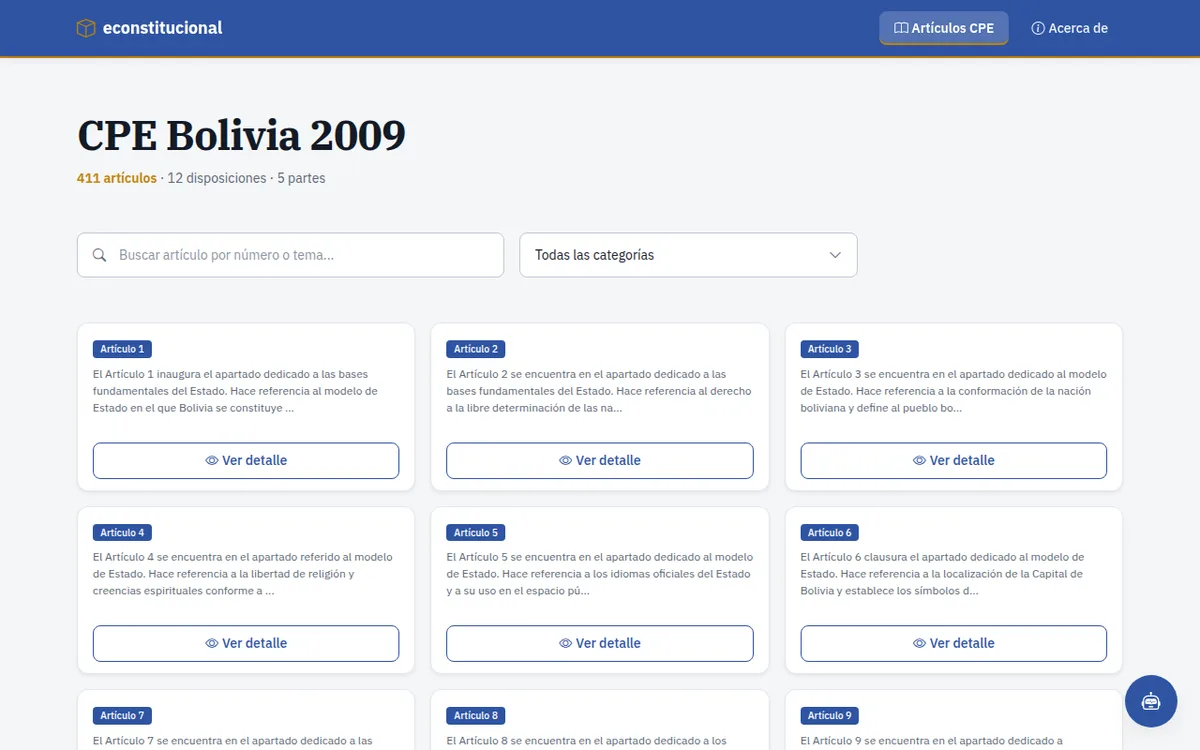
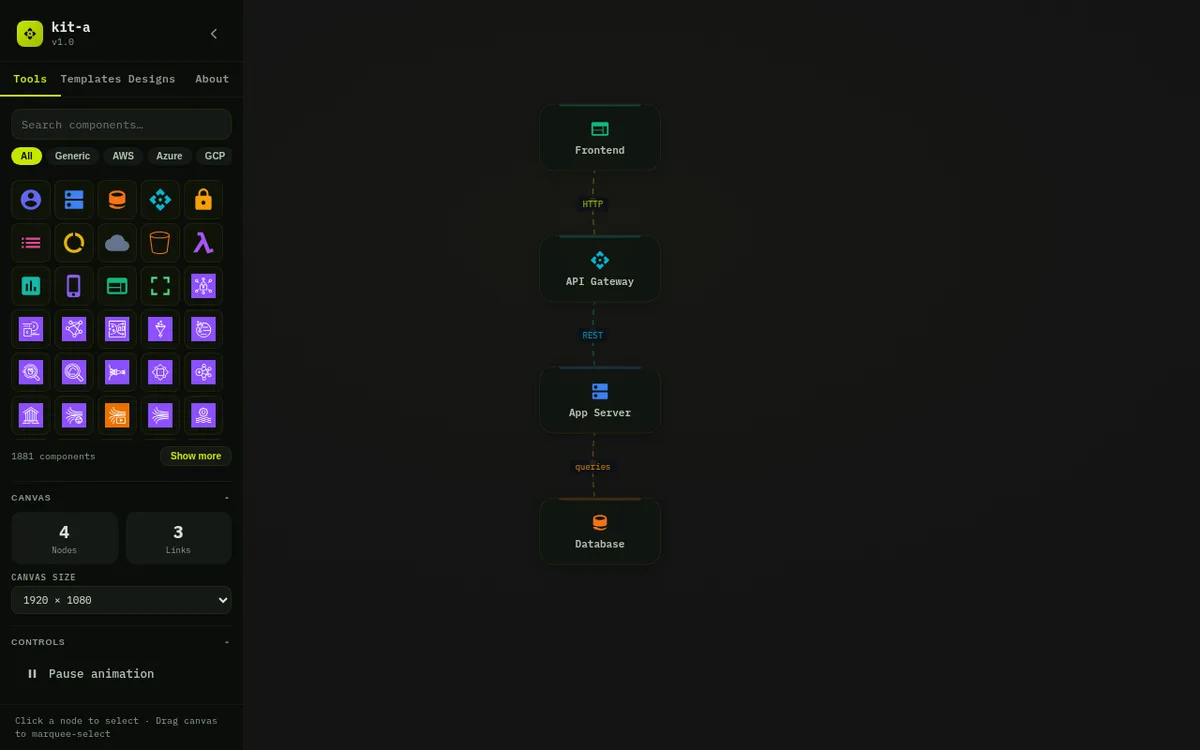
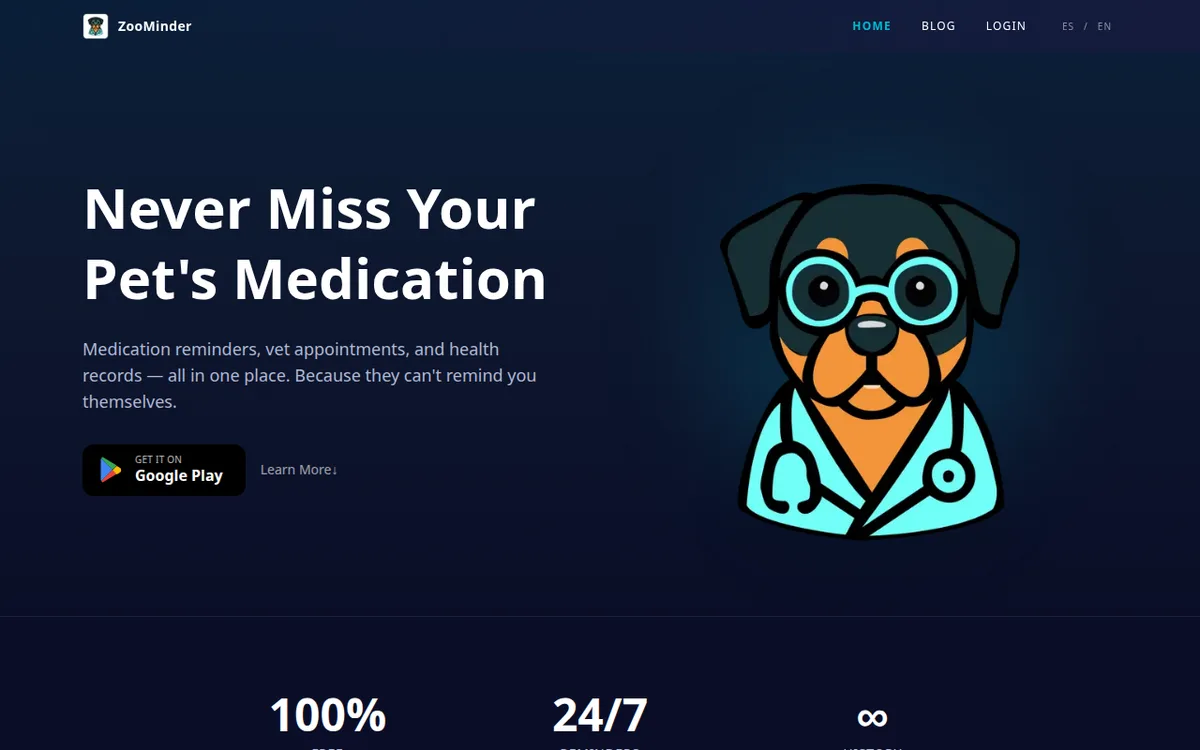
Built by our team under codiva. They are not client engagements: open them and inspect the work.
Work performed by members of our team as part of previous employment. These companies are not codiva clients and their names do not imply endorsement.
Small APIs, asynchronous work, bounded memory, and traceability. The architecture changes with the problem; these boundaries do not.
Dependencies point inward. The domain stays stable while the web layer, database, or cloud provider changes.
We design delivery with the software. Tests, review, security, and observability are part of the normal path.
Talk with the team for 30 minutes about the system, the current risk, and the next reasonable step.
codiva® is an independent studio of two senior software engineers, based in Ñuñoa, Santiago, Chile. We build complete product — design, frontend, backend, and AI — from start to finish, with no juniors and no subcontracting. The people who sell you the project are the people who build it.
Three lines: Build and evolve B2B products, internal platforms, and new modules; Modernize and rescue inherited or difficult-to-change systems; and Data and integrations for pipelines, APIs, interoperability, and data performance.
You do, from the first commit. The repository is in your name and we hand over everything — code, infrastructure, and documentation — with no hidden dependencies or lock-in. If one day you want to continue with another team, you can.
Yes. We take on inherited codebases — from a freelancer who left, an agency that changed direction, or a previous team — stabilize them, and keep building. This is exactly where more than 14 years of backend architecture and distributed systems make the difference.
We take on a small number of projects at a time, precisely so we don't overcommit and can give each one real attention. The whole team knows every project, so nothing depends on a single person, and your code, infrastructure, and documentation always live in your repository. If timing needs coordinating, we tell you before we start, not after.
Both. We embed with your internal team when there is one, or act as your full product team when there isn't. We adapt to how you already work.
It depends on scope, but we won't make you guess. A Product Sprint starts at USD $3,000 and a full product usually runs between USD $16,000 and $65,000. On the first 30-minute call we give you a real range — not a 20-page proposal three weeks later.
A Product Sprint is 1–2 weeks. A full product runs between 6 and 16 weeks depending on scope. We put a date in the proposal and flag it the moment anything puts it at risk — we would rather have an awkward conversation early than a surprise at the end.
That's exactly what the Product Sprint is for: 1–2 paid weeks with concrete deliverables, at the end of which either side can decide not to continue — and you keep the prototype, the architecture decisions and the technical plan regardless. It's the cheapest way we know to find out whether we work well together.
Have a project in mind? Let's talk about how we can take it to the next level.
Or email us atcontactos@codiva.cl
Ñuñoa, Santiago — Chile Carlos RojasBackend · Architecture · AIBackend and fullstack engineer focused on architecture, distributed systems, and AI. Designs for scalability, performance, and security, and works on mobile too. 14+ years of experience.Portfolio ↗LinkedIn ↗
 Marina AlekseevaDesign · Frontend · ProductFrontend-focused software engineer and product designer (UX/UI), with a fullstack base. Builds accessible, fast, and maintainable interfaces, and works on mobile too. 4+ years of experience.Portfolio ↗LinkedIn ↗